How Lifestyle Choices Affect Cataract Development
- posted: Mar. 27, 2026
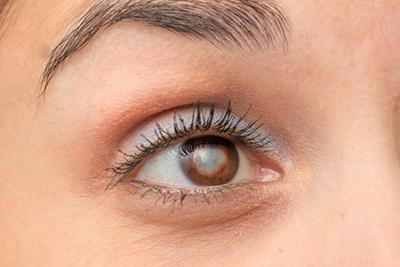
Cataracts are a common age-related eye condition that causes the natural lens of the eye to become cloudy. As the lens becomes less transparent, light cannot pass through properly, and vision gradually declines. While aging is the primary cause, lifestyle choices can also influence how quickly cataracts develop.
What Happens When Cataracts Form
The lens inside the eye contains proteins that are arranged in a precise structure. Over time, these proteins can break down and clump together. This process causes the lens to become cloudy, which interferes with the eye’s ability to focus light.
Patients with cataracts may notice symptoms that develop gradually. Blurred vision, difficulty seeing at night, and increased sensitivity to bright light are commonly reported. Colors may also appear faded or yellowed.
The Role of Diet in Eye Health
Nutrition plays an important role in maintaining healthy eyes. Diets that are rich in antioxidants may help reduce oxidative stress, which occurs when harmful molecules damage cells and proteins in the body.
Foods that contain vitamins C and E, as well as lutein and zeaxanthin, support eye health. Leafy greens, fruits, and colorful vegetables often provide these nutrients. An ophthalmologist may also discuss dietary habits when evaluating patients with cataracts.
Smoking and Cataract Risk
Smoking is one of the most significant lifestyle factors linked to cataract formation. Tobacco smoke introduces harmful chemicals into the bloodstream, and these substances can damage eye tissues. Over time, this damage may accelerate changes in the lens.
Individuals who stop smoking often reduce their risk of further eye damage and support overall health. Healthcare professionals frequently encourage smoking cessation as part of preventive eye care.
Sun Exposure and Eye Protection
Ultraviolet radiation from the sun can contribute to cataract development. Exposure to UV light may damage the proteins in the lens and increase the risk of clouding. Sunglasses that block ultraviolet rays help protect the eyes during outdoor activities. Wide-brimmed hats may also reduce direct sun exposure.
Cataract Care in Rapid City
Healthy lifestyle habits can support long-term vision, although regular eye examinations remain essential for early cataract detection. Our experienced team at Slingsby & Huot Eye Associates provides comprehensive treatment for cataracts in Rapid City, SD. To learn more or schedule an appointment, call our office at (605) 719-9499. Patients looking for an ophthalmologist can rely on our clinic to help restore clear and comfortable vision.
Contact Us
We look forward to hearing from you.
Our Locations
Slingsby & Huot Eye Associates
240 Minnesota St
Rapid City, SD 57701
